
 EN
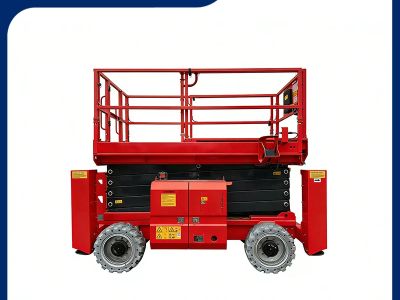
Diesel mobile elevating work platforms (MEWPs) are essential equipment for construction, maintenance, and industrial applications, particularly in rough terrain. These platforms provide safe and efficient access to elevated work areas, which is crucial for projects requiring height access in challenging environments. When sourcing diesel MEWPs, purchasing managers and distributors need to consider several factors, including specifications, application suitability, and manufacturing quality. This article will guide you through key considerations for selecting the right diesel mobile elevating work platforms for your projects.
What to Consider When Sourcing Diesel Mobile Elevating Work Platforms?
When sourcing diesel mobile elevating work platforms, buyers should evaluate various factors to ensure they are selecting the right equipment for their specific needs. First, consider the load capacity of the MEWP. This specification indicates how much weight the platform can safely lift, which is crucial for compliance with safety standards and operational efficiency. Ensure that the load capacity meets your project requirements, taking into account both personnel and materials. Next, assess the working height and reach of the MEWP. The working height must accommodate the Self Propelled Scissor Lift maximum elevation required for your project, while the outreach capability is essential for accessing areas that are not directly beneath the platform. Additionally, evaluate the stability of the platform, particularly in rough terrain. Features such as outriggers and robust chassis design contribute to enhanced stability, reducing the risk of tipping. Another critical consideration is the engine type and fuel efficiency. Diesel engines typically provide better performance in rugged conditions compared to electric alternatives. However, fuel consumption rates can significantly impact operational costs. Therefore, consider platforms that balance power with efficiency. Finally, review the safety features included, such as emergency stop buttons, guard rails, and anti-slip surfaces, to ensure a safe working environment for operators.
How to Choose the Right Rough Terrain MEWPs for Your Projects?
Choosing the right rough terrain MEWPs involves a detailed assessment of your project’s specific requirements. Start by determining the terrain conditions where the MEWP will be used. For uneven or soft ground, look for machines with larger tires and a higher ground clearance to navigate obstacles effectively. Consider the application type as well. For instance, if the work involves heavy lifting or extensive reach, prioritize models with higher load capacities and extended boom lengths. Conversely, if you need more compact equipment for tighter spaces, Mobile Scissor Lift may be more suitable. You should also evaluate the ease of operation and maintenance requirements. Look for platforms that are user-friendly and offer features like intuitive controls, making it easier for operators to use the equipment efficiently. Additionally, consider how easy it is to perform routine maintenance, as this can affect long-term operational costs and equipment longevity. Lastly, assess the manufacturer’s support. Reliable after-sales service and availability of spare parts can significantly impact the operational uptime of your MEWP. Engaging with manufacturers that have a strong reputation for customer service can add value to your purchase decision.
Cost Factors to Consider When Purchasing Diesel Mobile Elevating Work Platforms
Cost is a significant factor when purchasing diesel mobile elevating work platforms. Initial purchase price is just one aspect; buyers should also consider total cost of ownership (TCO). TCO includes maintenance, fuel consumption, and potential downtime costs. When evaluating the initial price, compare the specifications of different models in similar price ranges. Sometimes, a slightly higher upfront cost may be justified by superior features, better fuel efficiency, or enhanced safety measures. Additionally, consider associated costs such as transportation and installation. Understanding these factors can lead to more informed budget planning.
Insurance and financing options should also be factored into the overall cost assessment. Some manufacturers offer financing plans or leasing options that can ease the financial burden without compromising on equipment quality. Finally, account for any potential training costs for operators, as ensuring proper usage of MEWPs is crucial for maximizing safety and efficiency.
Finding Trusted Manufacturers for MEWPs
Selecting a trusted manufacturer is vital to ensure product quality and reliability. Start your search by looking for companies with a strong track record in the industry. A manufacturer like Shandong Jinchen CNC Protech Co., Ltd., with a solid reputation for producing high-quality scissor lifts, boom lifts, and other MEWPs since 2013, can be a reliable choice. Check for certifications that demonstrate compliance with international safety and quality standards. Certifications can indicate a commitment to maintaining high production standards and can provide peace of mind regarding product quality. Additionally, consider the manufacturer's production capabilities and whether they can accommodate custom requirements. Some projects may require specific modifications or configurations, so it is essential to work with manufacturers that offer customization options. Engaging with past clients or reviewing testimonials can provide insight into a manufacturer’s reliability and service quality. Look for companies that provide comprehensive support, including training, spare parts availability, and maintenance services.
Installation Guidance for Diesel Mobile Elevating Work Platforms
Proper installation of diesel mobile elevating work platforms is crucial for safe operation. Before installation, ensure the site meets the necessary requirements, such as a stable foundation and sufficient space for maneuvering the MEWP. Consult the manufacturer's installation guidelines for specific instructions on setting up the equipment. This may include leveling the platform, securing it to prevent movement during operation, and conducting initial safety checks. For platforms equipped with outriggers, ensure they are deployed correctly according to the Scissor Lift manufacturer's specifications. Once installed, conduct a thorough safety inspection before using the MEWP. This should include checking all safety features, ensuring that emergency stops are functional, and confirming that all operators have been trained on proper use and safety protocols. Regular maintenance checks should also be scheduled to ensure the equipment remains in good working condition. This includes monitoring engine performance, inspecting mechanical components, and assessing the wear and tear of tires and other critical parts. Implementing a proactive maintenance strategy can help prevent operational issues and extend the lifespan of your MEWP. By following these guidelines, you can ensure that your investment in diesel mobile elevating work platforms translates into reliable performance and enhanced safety on your job sites.
Table of Contents
- What to Consider When Sourcing Diesel Mobile Elevating Work Platforms?
- How to Choose the Right Rough Terrain MEWPs for Your Projects?
- Cost Factors to Consider When Purchasing Diesel Mobile Elevating Work Platforms
- Finding Trusted Manufacturers for MEWPs
- Installation Guidance for Diesel Mobile Elevating Work Platforms