
 EN
Essential Equipment for Indoor Glass Installation Companies (2026 Guide)
For professional indoor glass installation companies serving residential, office, hotel, and commercial projects, the right equipment is key to safety, efficiency, and quality. This simplified guide outlines the must-have tools and machinery to streamline your workflow and deliver exceptional results in 2026.
1. Lifting & Handling Equipment (Safety First)
Lifting glass safely is critical to avoid accidents and damage. These tools are non-negotiable for any glass installation business:
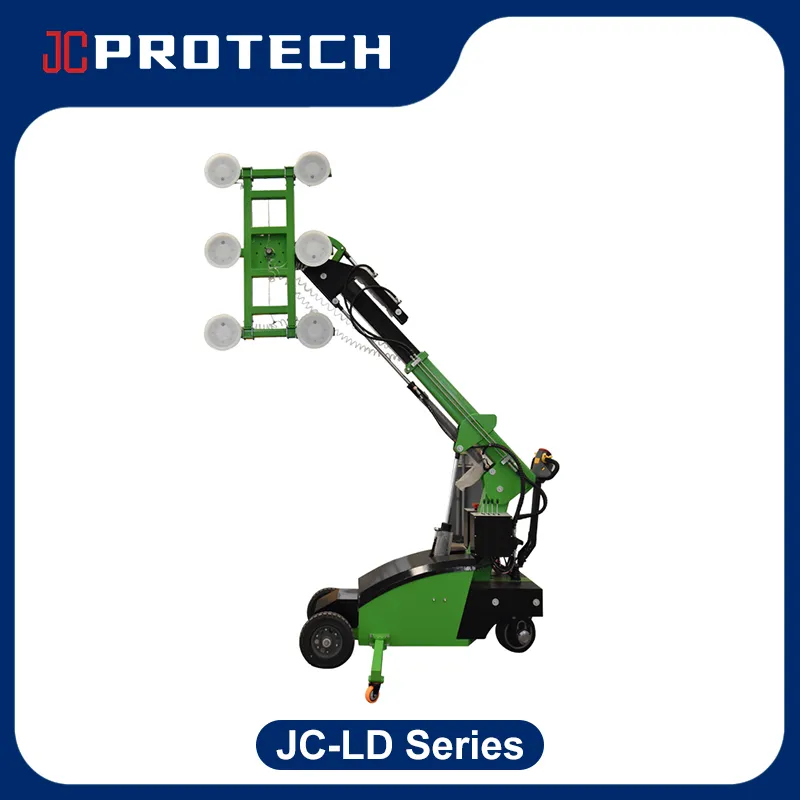
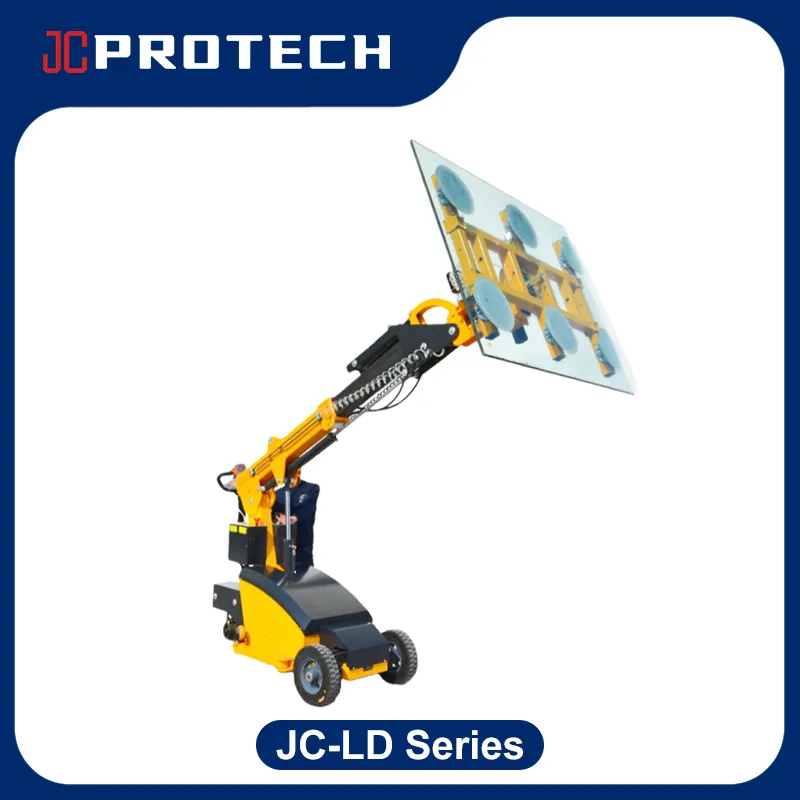
Electric Vacuum Glass Lifters (Must-Have)
Weight Capacity: 300kg–800kg (400kg–600kg for most indoor projects)
Features: 360° rotation, fine-tuning, strong suction for tempered/laminated/insulated glass
Quantity: 1–2 units (backup for no project delays)
Small Manual/Electric Suction Cups
Specs: 50kg–150kg capacity (single/double/four-jaw)
Use: Small glass pieces, on-site adjustments
Quantity: 1–3 units (for team accessibility)
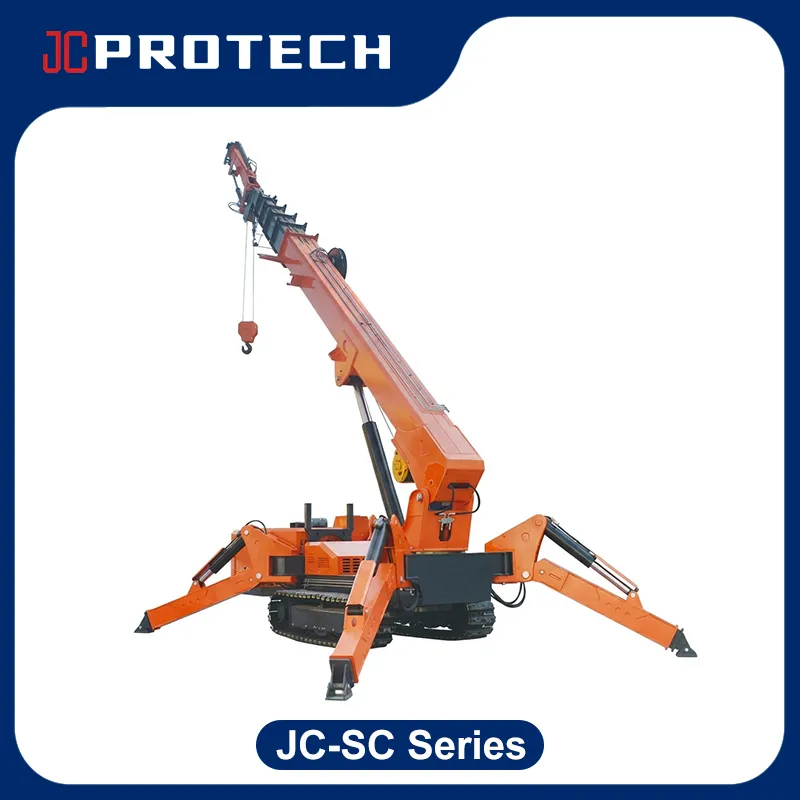
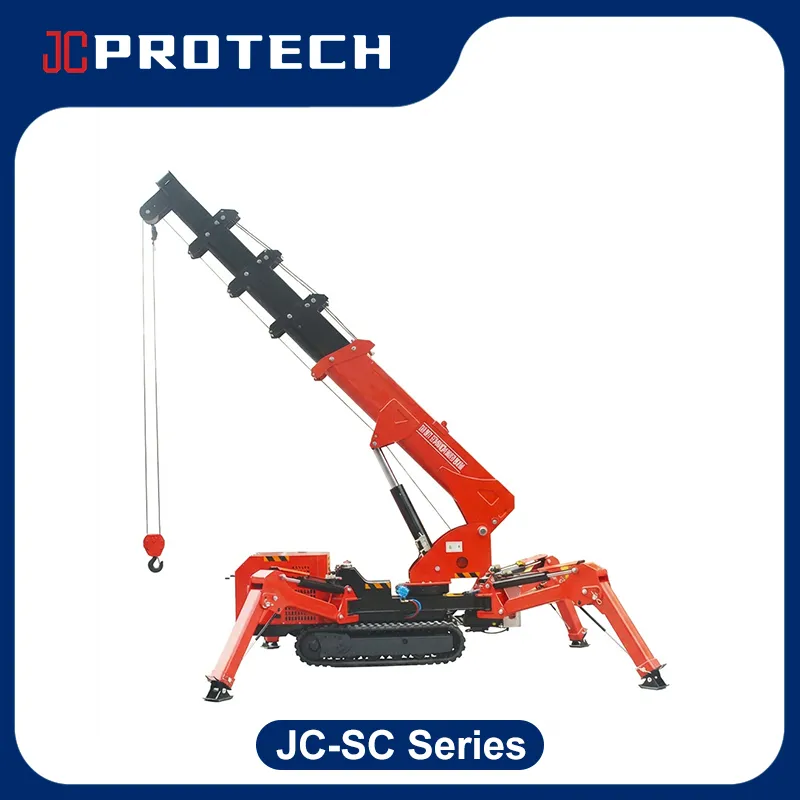
Spider Mini Crane (Optional for Large Projects)
Tonnage: 1.5T–3T (fits narrow indoor spaces)
Use: Lifting 12mm+ tempered glass panels (offices, hotels)
Quantity: 1 unit (essential for commercial projects)
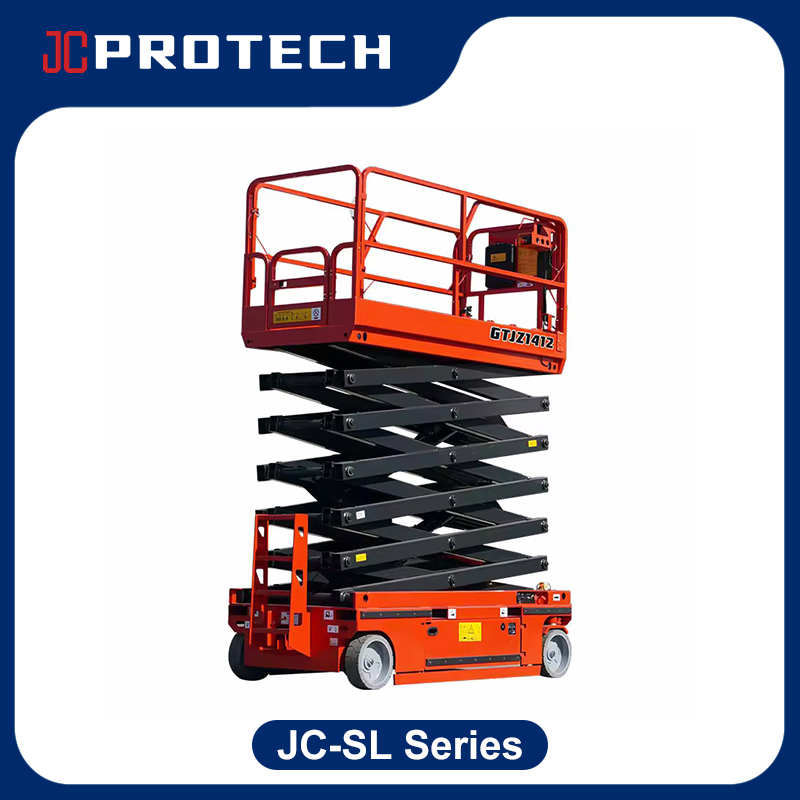
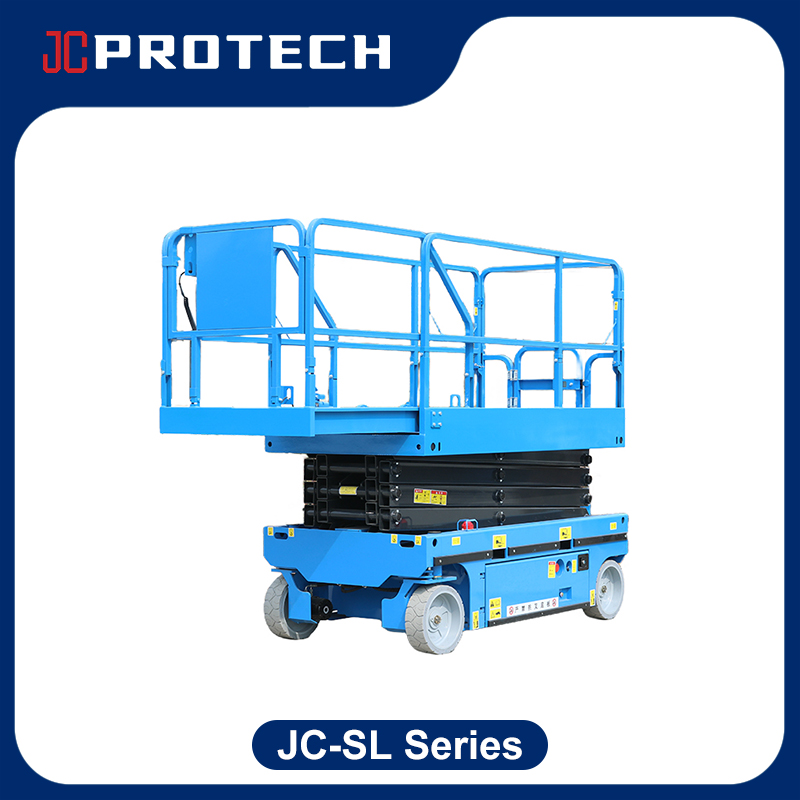
Mobile Scissor Lift Platform
Height: 6–12 meters (fits most indoor high-altitude jobs)
Use: High glass installation, caulking, hardware fitting
Quantity: 1 unit (must-have for safety)
2. On-Site Glass Processing Equipment
These tools eliminate the need for pre-cut glass transport, saving time and reducing damage:
Manual/Semi-Automatic Glass Cutter: Cuts 3–19mm glass (1 unit)
Small Straight-Edge Edger: Smooths sharp edges (1 unit)
Portable Glass Drill: Drills 6–50mm holes for hardware (1 unit)
Glass Workbench/Rack: Protects glass during processing (2–4 units)
3. Standard Installation Power Tools
Basic tools for daily operations:
Cordless lithium-ion hammer drill + electric drill
Cordless electric caulk gun (faster than manual)
Angle grinder (for metal cutting/grinding)
Hand tools: Utility knife, glass cutter, rubber mallet, wrenches, screwdrivers
4. Safety Equipment (Non-Negotiable)
Personal PPE: Hard hats, cut-resistant gloves, slip-resistant shoes, goggles, dust masks
Fall protection: Safety harnesses (for high-altitude work)
Job site protection: Temporary barriers, warning tape
Why Quality Equipment Matters
Investing in good equipment reduces accidents, speeds up projects, improves quality, and lets you take on larger, more profitable commercial jobs—key to growing your glass installation business in 2026.