
 EN
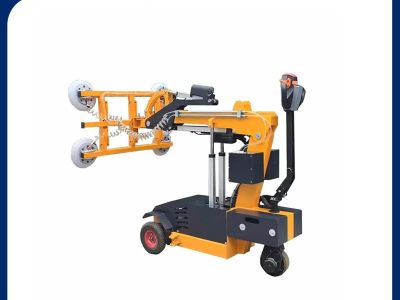
Glass vacuum lifters are essential tools in the construction and facade work industries, facilitating the safe and efficient handling of glass panels during installation. These devices ensure that heavy glass panels can be maneuvered with precision, reducing the risk of damage and enhancing safety for workers on-site. Buyers often have concerns about the specifications, compatibility with existing equipment, and the reliability of suppliers. This article will provide insights into essential specifications, selection criteria, common issues, applications, and tips for finding trustworthy suppliers.
Key Specifications for Glass Vacuum Lifters in Window Installation
When evaluating glass vacuum lifters, several key specifications must be considered:
Load Capacity: The maximum weight the lifter can handle is critical. It should be suitable for the specific dimensions and weight of the glass panels being installed. Buyers should verify that the load capacity exceeds the heaviest piece of glass to be lifted, allowing for a safety margin.
Vacuum Pump Power: The efficiency of the vacuum pump affects the lifter's performance. A more powerful pump will maintain suction even on non-porous surfaces or in less-than-ideal conditions. This is vital when working with varying weather conditions or when handling textured surfaces.
Suction Pad Size and Material: The size and material of the suction pads influence the grip strength. Larger pads provide greater surface area, while materials like natural rubber can offer better adhesion and durability. Depending on the glass type, specialized pads may be necessary to prevent slippage.
Safety Features: Look for features like Mobile Vacuum Lifter gauges, alarm systems for low vacuum pressure, and backup systems. These enhancements ensure that the lifter operates safely, preventing accidents during glass handling.
Weight and Portability: The overall weight of the vacuum lifter affects its portability. Lightweight models enhance maneuverability but must still provide robust performance. Buyers should assess their specific job site needs when determining the ideal balance between weight and capacity.
How to Choose the Right Glass Vacuum Lifter for Your Projects
Selecting the right glass vacuum lifter hinges on understanding your project requirements. Here are several factors to consider:
Application Type: Different applications may require specific features. For window installations in high-rise buildings, a lifter with a higher reach and a robust safety system is essential. Conversely, for smaller projects, a compact model may suffice.
Panel Size and Shape: The dimensions of the glass panels will dictate the type of Off-Road Mobile Vacuum Lifter. Ensure that the lifter can accommodate the largest panel size you'll be working with, and consider models that allow for adjustable suction pads for irregular shapes.
Environmental Conditions: Assess whether the lifter will be used indoors or outdoors. Outdoor use may require additional weatherproof features and stronger materials to withstand different environmental factors, such as wind or rain.
Compatibility with Existing Equipment: If you already have lifting equipment, ensure the vacuum lifter can integrate seamlessly. This may involve checking lifting mechanisms, power sources, and control systems.
Customization Options: Some projects may require specific adaptations, such as bespoke suction pad designs or additional safety features. Confirm that the supplier can meet these customization needs.
Common Problems with Vacuum Lifters and Effective Solutions
While glass vacuum lifters are generally reliable, several common issues can arise:
Loss of Vacuum Pressure: This can occur due to worn or damaged seals. Regular maintenance and inspection of the suction pads and seals can prevent this issue. It's advisable to have replacement parts readily available and to establish a routine maintenance schedule.
Surface Contamination: Dust, moisture, or oil on the glass surface can interfere with the suction. Clean the glass thoroughly before lifting to ensure maximum adhesion. Using a suitable cleaning solution designed for glass surfaces can enhance grip.
Equipment Compatibility: Sometimes, the Customized Mobile Vacuum Lifter lifter may not be compatible with the existing lifting equipment. Buyers should verify compatibility before purchase, particularly if custom adaptations are required.
Weight Limit Exceeded: Attempting to lift panels that exceed the weight capacity can cause accidents. Always double-check the specifications and consider the weight of any additional attachments that may be used.
Training Deficiencies: Improper use due to inadequate training can lead to accidents or equipment damage. Ensure that all operators are adequately trained in the safe use of vacuum lifters to mitigate risks.
Applications of Glass Vacuum Lifters in the Building Industry
Glass vacuum lifters play a crucial role across various applications in the building industry:
Window Installation: They are indispensable for lifting and positioning large window panes, ensuring precise placement without damage.
Facade Work: In constructing glass facades, these lifters allow for the safe handling of large glass panels at height, improving efficiency and reducing labor costs.
Interior Glass Installations: In interior settings, glass vacuum lifters are used to install partitions, balustrades, and glass doors, enhancing aesthetic appeal while ensuring safety.
Transport and Logistics: Beyond installation, glass vacuum lifters are used in warehouses and logistics to move glass safely and efficiently, reducing the risk of breakage during handling.
Maintenance and Repairs: In maintenance scenarios, these lifters assist in removing and replacing glass, making it safer and more manageable for technicians.
Where to Find Reliable Suppliers for Glass Vacuum Lifters
Finding a trustworthy supplier for glass vacuum lifters involves several key steps:
Industry Research: Start by researching manufacturers and suppliers with a strong reputation in the industry. Check online reviews, testimonials, and case studies to gauge customer satisfaction.
Certifications and Compliance: Ensure that potential suppliers adhere to industry standards and have necessary certifications. This is crucial for ensuring product quality and safety.
Product Range and Customization: A supplier that offers a wide range of products and customization options can better meet specific project needs. Evaluate their capability to adapt products based on your requirements.
After-Sales Support: Reliable suppliers should offer robust after-sales support, including maintenance services and access to spare parts. This is essential for minimizing downtime.
Requesting Samples: Before placing a large order, request samples to assess the product quality firsthand. This allows you to verify specifications and ensure the lifter meets your operational needs.
selecting the right glass vacuum lifter for window installation and facade work involves understanding key specifications, evaluating your project requirements, and choosing a reliable supplier. By focusing on these aspects, buyers can enhance safety, efficiency, and productivity in their operations.
Table of Contents
- Key Specifications for Glass Vacuum Lifters in Window Installation
- How to Choose the Right Glass Vacuum Lifter for Your Projects
- Common Problems with Vacuum Lifters and Effective Solutions
- Applications of Glass Vacuum Lifters in the Building Industry
- Where to Find Reliable Suppliers for Glass Vacuum Lifters